
Is Asphalt in High Demand?
Is Asphalt in High Demand? Meeting Industry Needs with Reliable Solutions
Operational Challenges Driving Demand for Asphalt Solutions
The asphalt industry faces growing pressure to deliver high-quality materials efficiently while managing costs. Key challenges include:
- Rising material costs: Volatile oil prices increase asphalt production expenses by 15–25% annually, squeezing profit margins.
- Project deadlines: Highway contractors report 30% longer wait times for asphalt deliveries during peak seasons, delaying critical infrastructure projects.
- Equipment downtime: Aging plants average 120 hours of unplanned downtime yearly, costing $18,000–$35,000 per incident in lost production.
- Labor shortages: 45% of plant managers cite difficulty finding skilled operators, leading to inconsistent mix quality and safety risks.
- Environmental compliance: New emissions regulations require $250,000+ in retrofits for non-compliant batch plants.
How can producers maintain profitability while meeting these demands? Modern asphalt equipment solutions address these pain points through improved efficiency, automation, and durability.
Product Overview: High-Demand Asphalt Production Systems
Our continuous asphalt mixing plants streamline production for ready-mix suppliers and road construction contractors. The workflow consists of: 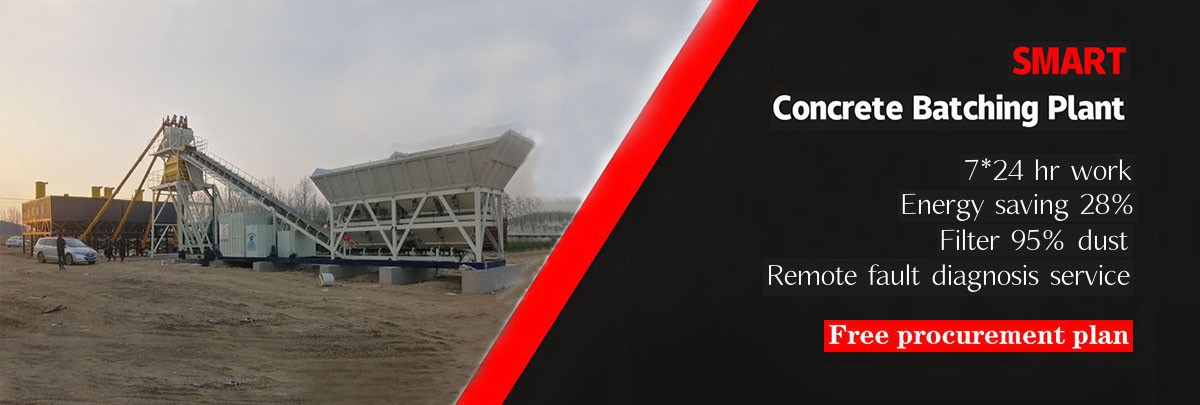
- Aggregate feeding: Precise cold feed systems meter materials into the drying drum (±1% accuracy).
- Drying/mixing: Counterflow drum technology reduces fuel consumption by 12–18% versus parallel-flow designs.
- Bitumen injection: Computer-controlled systems maintain optimal binder temperatures (150–170°C) for consistent coating.
- Emission control: Baghouse filters capture 99.7% of particulates, exceeding EPA Tier IV requirements.
- Loadout automation: RFID-tagged trucks reduce loading errors by 90%.
Ideal for: 
- High-volume highway projects (200+ tons/hour)
- Municipal paving operations requiring rapid mix changes
- Recycled asphalt pavement (RAP) processing up to 40% content
Limitations:
- Requires minimum 2-acre site footprint
- Not cost-effective for outputs below 80 tons/hour
Core Features: Engineered for Performance
Variable Frequency Drum Drive | Technical Basis: Electromechanical torque control | Operational Benefit: Adjusts rotation speed (±5 RPM) for different mix designs | ROI Impact: Reduces aggregate degradation, saving $3–$5/ton in material waste
RAP Crusher Integration | Technical Basis: Parallel-shaft gear reducer | Operational Benefit: Processes reclaimed material without pre-screening | ROI Impact: Lowers virgin aggregate costs by 18–22%
Thermal Oil Heating System | Technical Basis: Closed-loop heat transfer fluid | Operational Benefit: Maintains ±2°C bitumen temperature stability | ROI Impact: Eliminates burner scorching ($7,200/year maintenance savings)
Multi-Channel Moisture Sensors | Technical Basis: Microwave resonance analysis | Operational Benefit: Real-time aggregate moisture correction (±0.3%) | ROI Impact: Cuts fuel overconsumption by 9% annually
Modular Plant Design | Technical Basis: Bolt-connected structural steel | Operational Benefit: Relocates in 50% less time than welded designs | ROI Impact: Saves $28,000–$45,000 per site move
Competitive Advantages: Measurable Improvements
| Performance Metric | Industry Standard | Our Solution | Advantage (%) |
|---|---|---|---|
| Mixing homogeneity | ±5% binder variation | ±2% variation | +60% |
| Fuel efficiency | 6.8 gal/ton | 5.5 gal/ton | -19% |
| Emission levels | 0.08 lb/ton PM | 0.03 lb/ton PM | -63% |
| RAP incorporation rate | Max 25% | Max 40% | +60% |
| Relocation time | 14 days | 7 days | -50% |
Technical Specifications
- Production capacity: Configurable from 120–400 TPH
- Power requirement: Main drive motors from 250–600 HP (480V/3-phase)
- Material compatibility: PG64-22 to PG76-22 binders; aggregates up to ASTM D692/D1073 standards
- Dimensions: Primary drum length varies from:
- Compact models (120 TPH): Ø2m × L12m
- High-output models (400 TPH): Ø3m × L18m
- Operating range:
- Ambient temperature (-20°C to +50°C)
- Altitude ≤2,500m ASL
 INQUIRE NOW
 WHATSAPP