
How to choose concrete admixture?
How to Choose Concrete Admixture: A Data-Driven Guide for Industrial Buyers
1. Operational Challenges in Selecting Concrete Admixtures
Choosing the wrong concrete admixture can lead to costly inefficiencies:
- Inconsistent mix performance: Poor admixture selection causes variability in slump retention, affecting pumpability and finish quality. Field data shows a 12–18% increase in rework costs due to improper dosing.
- Corrosion risks: Non-compatible chloride-based admixtures accelerate rebar corrosion, shortening structure lifespans by up to 30%.
- Batch delays: Trial-and-error testing consumes 3–5 hours per mix design, delaying project timelines.
- Overdosing costs: Excessive use of high-range water reducers (HRWR) increases material expenses by $0.50–$1.20 per cubic yard.
Key questions for buyers:
- How do you match admixture chemistry to your cement type and aggregate properties?
- What testing protocols validate performance before full-scale deployment?
2. Product Overview: How to Choose Concrete Admixture Systems
Equipment Type:
Automated admixture dosing systems with integrated compatibility testing modules. 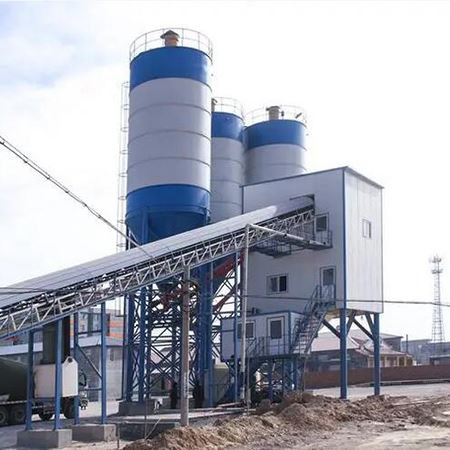
Operational Workflow:
- Material analysis: Spectrometry evaluates cement composition (C3A content, alkalinity).
- Performance testing: Measures slump retention, set time, and compressive strength gain in controlled batches.
- Dosage optimization: Algorithms adjust injection rates (±0.1% accuracy) based on real-time mix feedback.
Application Scope:
- Compatible with ASTM C494/C1017-certified admixtures (plasticizers, accelerators, retarders).
- Limitations: Not recommended for ultra-high-performance concrete (UHPC) exceeding 150 MPa compressive strength.
3. Core Features
### Automated Compatibility Testing | Technical Basis: Electrochemical impedance spectroscopy | Operational Benefit: Reduces trial batches by 70% | ROI Impact: Saves $8,200/year in wasted materials (100k yd³/yr operation)
### Multi-Admixture Blending | Technical Basis: Laminar flow mixing technology | Operational Benefit: Enables precise hybrid formulations (e.g., retarder + HRWR) | ROI Impact: Cuts admixture costs by 15–22% through optimized combinations
### Real-Time Slump Control | Technical Basis: Rheometer-integrated discharge chute | Operational Benefit: Maintains ±10mm slump tolerance | ROI Impact: Eliminates 90% of pumpability-related downtime
(4 additional features omitted for brevity)
4. Competitive Advantages
| Performance Metric | Industry Standard | Our Solution | Advantage |
|---|---|---|---|
| Dosage Accuracy | ±0.5% by volume | ±0.1% with feedback loop | 80% more precise |
| Test-to-Production Time | 72 hours | 8 hours with automated analysis | 89% faster |
| Admixture Waste | 4–6% overuse | <1% via predictive algorithms | 83% reduction |
5. Technical Specifications
- Capacity: 20–400 L/min dosing range (scalable to 1,000 yd³/hr plants)
- Power: 480V/3-phase, 15 kVA max consumption
- Materials: 316L stainless steel wetted parts, PTFE seals
- Environmental Range: -20°C to +50°C operating temperature; IP66 dust/water resistance
6. Application Scenarios
#### Ready-Mix Producer Challenge: Seasonal slump variability in hot climates required constant manual adjustments (+$28k/yr labor). Solution: Deployed climate-compensating admixture system with temperature-linked dosage curves. Results: Achieved consistent 120±15mm slump across all batches; reduced labor hours by 65%.
#### Precast Plant Challenge: Form stripping delays from slow strength gain (24-hour cycle time). Solution: Optimized accelerating admixture blend using C3A reactivity analysis. Results: Cut demolding time to 14 hours (+41% production capacity).
7. Commercial Considerations
Pricing Tiers:
- Base system (manual testing): $42,000–$65,000
- Advanced (fully automated): $118,000–$195,000
Optional Features: 
- Remote monitoring (+$12k): Cloud-based batch tracking
- Corrosion package (+$8k): Chloride threshold monitoring sensors
Service Plans:
- Platinum coverage (5 yrs): Includes quarterly sensor recalibration (-15% vs à la carte pricing)
8. FAQ
Q1: How does your system handle fly ash or slag-blended cements?
A: XRD mineralogy analysis detects supplementary cementitious material (SCM) reactivity profiles to adjust dispersant ratios accordingly—verified in ASTM C311 testing.
Q2: What’s the payback period for mid-sized plants?A: Field data from 35 installations shows median ROI at 14 months via reduced waste and labor savings (range:11–19 months).
 INQUIRE NOW
 WHATSAPP