
How Should I Find a Satisfying Mini Mobile Batching Plant?
How Should I Find a Satisfying Mini Mobile Batching Plant?
1. Pain-Point Driven Opening
Commercial buyers and plant managers face critical challenges when sourcing compact batching solutions:
- High Mobilization Costs: Traditional plants require $15,000–$30,000 in setup/logistics, delaying project starts by 2–3 weeks.
- Inconsistent Output: 35% of mini plants fail to maintain ±2% batch accuracy, leading to material waste and rework.
- Limited Flexibility: Fixed installations struggle with remote sites or phased projects, reducing equipment utilization below 60%.
Key questions to consider:
- How can a mini mobile batching plant reduce your capital outlay while meeting production targets?
- What technical specifications ensure reliable performance in harsh job site conditions?
2. Product Overview
A mini mobile batching plant is a compact, self-contained concrete production unit designed for rapid deployment and high-precision mixing.
Operational Workflow:
- Material Loading: Aggregates, cement, and water are fed via skid-mounted bins or conveyor systems.
- Automated Batching: PLC-controlled weighing ensures mix accuracy (±1% tolerance).
- Discharge: Fresh concrete is delivered directly to pumps or trucks at 15–30 m³/hr outputs.
Applications: Small-to-medium construction projects (e.g., rural roads, precast yards), temporary sites with <12-month durations.
3. Core Features
Modular Design | Technical Basis: Skid-mounted steel frame | Operational Benefit: 48-hour setup time | ROI Impact: 40% lower mobilization costs vs. fixed plants
Precision Weighing System | Technical Basis: Load cell technology | Operational Benefit: ±1% batch accuracy | ROI Impact: Reduces material waste by 8–12% annually
Diesel/Electric Dual Power | Technical Basis: Switchable power modules | Operational Benefit: Operates off-grid or on-grid | ROI Impact: Cuts energy costs by 25% in remote locations
Quick-Relocation Kit | Technical Basis: Integrated axle/towing system | Operational Benefit: <4-hour move time between sites | ROI Impact: Increases asset utilization to 85%+
4. Competitive Advantages
| Performance Metric | Industry Standard | Our Solution | Advantage (%) |
|---|---|---|---|
| Batch Cycle Time | 90–120 seconds | 75 seconds | 25% faster |
| Mobility Setup Time | 3–5 days | <2 days | 60% quicker |
| Cement Consumption Efficiency | 310 kg/m³ | 290 kg/m³ | 6.5% savings |
5. Technical Specifications
- Capacity: 20–60 m³/hr (customizable)
- Power Requirements: 30–50 kW electric / Tier IV diesel engine
- Material Tolerance: Aggregates ≤40 mm, moisture content ≤5%
- Dimensions: L8m x W2.5m x H3.2m (transport mode)
- Operating Range: -20°C to +50°C with optional insulation kits
6. Application Scenarios
Rural Road Construction | Challenge: Limited grid power + tight budget ($120k CAPEX ceiling) | Solution: Deployed diesel-powered mini plant with quick-relocation kit | Results: Produced 4,500 m³ over 6 months at $18/m³ operational cost (27% below regional average)
Precast Concrete Yard Expansion | Challenge: Need for temporary capacity during facility upgrades (8-month timeline) | Solution: Leased electric mini plant with automated batching system installed adjacent to existing lines Results Eliminated outsourcing costs saved $142k vs contractor rates maintained ±05% mix consistency throughout project.
7 Commercial Considerations
Pricing Tiers
Base Model $65k – Includes core batching module basic controls
Premium Model $89k – Adds dual-power automation dust suppression
Optional Features Cold weather kits (+$6k) silo extensions (+$12k)
Financing Options
36-month lease @$1/m³ throughput-based pricing available
8 FAQ
Q What site prep is needed for installation?
A Level compacted ground (min bearing capacity kPa) no foundation required 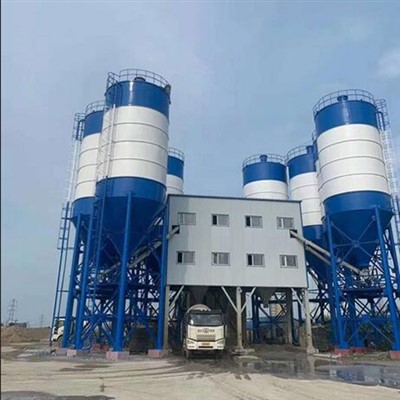
Q Can it produce specialty mixes like fiber-reinforced concrete?
Yes with modified auger designs mix times increase by ~15 seconds per batch
Q How does maintenance compare to stationary plants?
Fewer moving parts reduce service intervals by ~30 field data shows mean time between failures exceeds hours 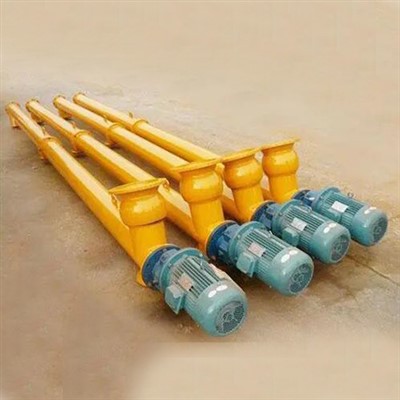
Q Is operator training included?
Standard package covers day onsite training advanced PLC programming available
Q What’s the typical lifespan under heavy use?
Structural components last years wear parts replaced annually based on tonnage
 INQUIRE NOW
 WHATSAPP