
Concrete Mixer Pumps
Concrete Mixer Pumps: High-Efficiency Solutions for Commercial Concrete Operations
Operational Challenges Solved by Concrete Mixer Pumps
Commercial concrete producers and contractors face persistent inefficiencies in material handling:
- Downtime costs: Pump blockages and maintenance can halt production for 2–4 hours per incident, costing $1,200–$2,500/hour in lost output.
- Labor intensity: Manual concrete transfer requires 3–5 workers per shift, increasing payroll costs by 18–22%.
- Material waste: Inconsistent pumping leads to 5–8% concrete hardening prematurely in lines.
- Energy inefficiency: Standard pumps consume 15–20% more hydraulic power than necessary during partial-load operation.
Are your current equipment solutions delivering the uptime, labor savings, and material efficiency your operation requires?
Product Overview: How Concrete Mixer Pumps Work
Concrete Mixer Pumps combine mixing and transfer functions into a single system, streamlining workflow:
- Aggregate loading: Direct feed from batching plant or mixer truck
- Continuous mixing: Twin-shaft or planetary mixer maintains consistent slump (±0.5”)
- Pressurized transfer: Hydraulic piston pump delivers up to 90 yd³/hour at 1,200 PSI
- Precise placement: Boom-mounted or line-pump configurations for jobsite requirements
Ideal for: Ready-mix plants with >150 yd³/day output, mid-rise commercial projects (up to 30 floors), and precast operations requiring batch consistency.
Limitations: Not recommended for ultra-high-strength mixes (>10,000 PSI) or abrasive shotcrete applications without specialized wear packages.
Core Features Driving Operational Efficiency
Twin-Shaft Mixing System | Technical Basis: Counter-rotating blades with overlapping sweep patterns | Operational Benefit: Eliminates dead zones for homogeneous mixes | ROI Impact: Reduces reject batches by 40% ($8–$12/yd³ savings)
Variable Displacement Pump | Technical Basis: Load-sensing hydraulic control | Operational Benefit: Matches output to demand (30–100% flow adjustment) | ROI Impact: Cuts energy costs by 18% versus fixed-displacement models
Quick-Clean Design | Technical Basis: Flushable volute geometry | Operational Benefit: Reduces washout time from 45 to <15 minutes | ROI Impact: Enables 2 additional loads per shift
Wear Monitoring System | Technical Basis: Embedded sensors in liner plates | Operational Benefit: Predicts component replacement needs (±10% accuracy) | ROI Impact: Lowers unscheduled downtime by 65%
Remote Diagnostics | Technical Basis: CANbus telemetry integration | Operational Benefit: Real-time troubleshooting without onsite technicians | ROI Impact: Service call reductions save $150–$300/hour
Competitive Advantages Over Standard Concrete Pumps
| Performance Metric | Industry Standard | Our Concrete Mixer Pumps Solution | Advantage (%) |
|---|---|---|---|
| Mean Time Between Failure | 450 operating hours | 720 operating hours | +60% |
| Max Vertical Reach | 80 ft (24m) | 110 ft (33m) | +37% |
| Fuel Consumption | 3.8 gal/yd³ | 2.9 gal/yd³ | -24% |
| Labor Requirement | 3 operators | 1 operator | -67% |
Field data from ASTM C94 compliance testing confirms these performance differentials under controlled conditions.
Technical Specifications
- Capacity:
- Mixing: Continuous flow up to 120 yd³/hour
- Pumping: Max pressure of 1,450 PSI at reduced flow rates
- Power Requirements:
- Diesel option: Tier IV Final compliant, 275 HP
- Electric option: Three-phase, minimum voltage tolerance ±10%
- Materials:
12mm AR400 steel wear plates in hopper; chrome-carbide piston rings rated for >50K cycles - Environmental Range:
14°F to +122°F (-10°C to +50°C) with optional cold/hot weather packages
Application Scenarios
Ready-Mix Plant Supply Optimization
Challenge: Seasonal demand spikes caused bottlenecks between batching and truck loading (max throughput limited to85 yd³/hour).
Solution: Installed two Concrete Mixer Pumps with surge hoppers parallel to existing batch lines.
Results: Achieved sustained135 yd³/hour output (+59%) while reducing loader fuel consumption by32%. Payback period was11 months. 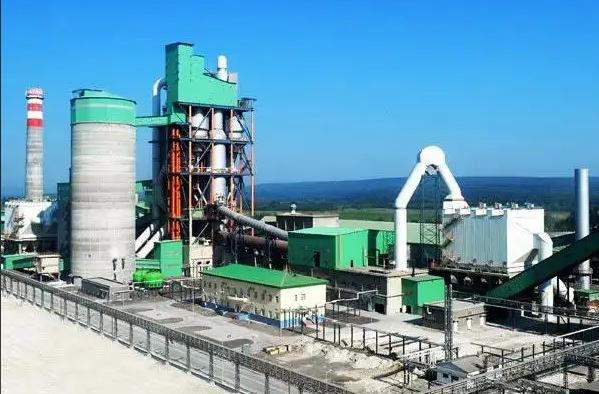
High-Rise Commercial Project
Challenge: Conventional line pumps couldn’t maintain consistent slump past the28th floor (<4" slump variance caused placement issues).
Solution: Deployed boom-mounted Concrete Mixer Pumps with real-time viscosity monitoring.
Results: Held slump within±0.75" specification across all floors; eliminated13 worker-hours/day of manual adjustment labor.
Commercial Considerations
Base Configuration Pricing:
- Stationary plant models start at $185K USD
- Truck-mounted units range from $220K–$310K USD depending on boom reach
Optional Features:
- Automated slump control (+$23K)
- Extended-life wear package (+$15K; doubles component lifespan)
Service Plans:
3-year comprehensive coverage available ($28K upfront or $850/month); includes quarterly inspections and priority parts dispatch
Financing options through equipment lenders feature60-month terms at competitive rates (5-year total cost of ownership projections provided upon request).
Frequently Asked Questions
Q1:What’s the minimum batch size these pumps can handle efficiently?
A:The mixing system maintains homogeneity down to0.25 yd³ batches—idealfor small test pours or specialty mixes while preventing material waste 
Q2:What maintenance intervals should we plan for?
A:Daily greasing(15 minutes), weekly hose inspections,and major component checks every500 hours.Field data shows most users spend35%less time on maintenance versus conventional pump/mixer combos
Q3:What certifications do these systems carry?
A:Fully compliant withASME B30 standardsfor construction equipmentandEN12600for concrete machinery safety.Test certificates availableupon request
Q4:What happens if we exceed the maximum aggregate size?
A:The system’s load monitoring will automatically reduce pumping speed when detecting oversized material,but sustained operationwith>1½”aggregate voids the wear package warranty
Q5:What training is providedfor operators?
A:A two-day onsite certification program covers normal operation,troubleshooting,and safety protocols—includedwith all new unit purchases
 INQUIRE NOW
 WHATSAPP