
Concrete Batching Plant Selection Guide
Concrete Batching Plant Selection Guide: Optimizing Performance and ROI for Industrial Operations
Key Challenges in Concrete Batching Plant Selection
Selecting the right concrete batching plant directly impacts your operational efficiency, project timelines, and bottom line. Common pain points include:
- Costly Downtime: Poorly matched equipment leads to 15–30% longer batch cycles, reducing output by up to 200 m³/day.
- Inconsistent Mix Quality: Suboptimal batching accuracy (±2% or worse) results in wasted materials and rejected loads.
- High Maintenance Costs: Plants with inadequate wear protection require 40% more frequent component replacements.
- Scalability Limitations: Fixed-capacity designs force premature upgrades when demand increases.
- Energy Inefficiency: Outdated plants consume 20–35% more power per m³ produced.
Are you evaluating solutions that address batch precision, total cost of ownership, and future-proof scalability? 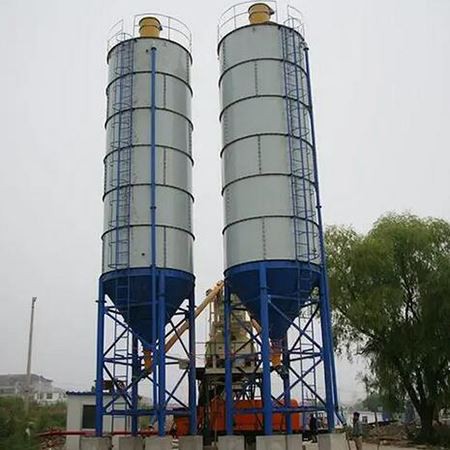
Product Overview: Precision Engineered Concrete Batching Plants
Our Concrete Batching Plant Selection Guide focuses on stationary and mobile plants designed for commercial ready-mix producers, precast manufacturers, and large-scale contractors. 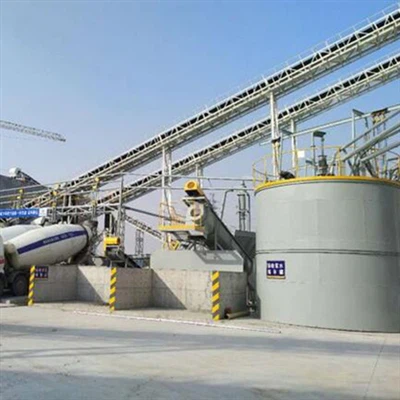
Operational Workflow:
- Aggregate Feeding: Graded aggregates are precisely measured via load cells or volumetric feeders.
- Cement & Additive Dosing: Pneumatic or screw conveyors deliver binders with ±0.5% accuracy.
- Water Metering: Automated systems adjust for aggregate moisture content (±1% tolerance).
- Mixing Cycle: Twin-shaft or planetary mixers achieve homogeneity in 30–45 seconds.
- Discharge & Cleaning: Rapid-gate systems minimize residue (<0.2% carryover).
Application Scope: Suitable for projects requiring 30–200 m³/hr output; not recommended for ultra-small (<10 m³/day) or specialty applications (e.g., fiber-reinforced mixes exceeding 3% volume).
Core Features: Engineered for Performance
1. Multi-Stage Aggregate Batcher | Technical Basis: Load cell redundancy | Operational Benefit: Reduces measurement errors by 75% | ROI Impact: Saves $8–12K annually in material waste
2. Adaptive Moisture Compensation | Technical Basis: Microwave sensors | Operational Benefit: Maintains ±1% water-cement ratio | ROI Impact: Cuts rejection rates by up to 18%
3. Modular Component Design | Technical Basis: Bolt-on wear liners | Operational Benefit: Reduces replacement downtime by 50% | ROI Impact: Lowers maintenance costs by $15K over 5 years
4. Hybrid Power Option | Technical Basis: Diesel-electric switching | Operational Benefit: Cuts energy costs by 25% in peak-rate periods | ROI Impact: $20K annual savings at 100 m³/day output
5. Centralized Control System | Technical Basis: PLC with HMI interface | Operational Benefit: Enables real-time batch adjustments | ROI Impact: Improves labor productivity by 30%
Competitive Advantages
| Performance Metric | Industry Standard | Our Solution | Advantage (% Improvement) |
|---|---|---|---|
| Batch Cycle Time | 90–120 seconds | 60–75 seconds | Up to 33% faster |
| Measurement Accuracy | ±1.5–2% | ±0.5–1% | Up to 67% more precise |
| Wear Life (Mixer Blades) | 50,000 m³ | 80,000 m³ | +60% longevity |
| Energy Consumption | - |
Technical Specifications
- Capacity Range: Compact (30 m³/hr) to High-Capacity (200 m³/hr) models
- Power Requirements: -380V/50Hz or diesel generators (150–400 kVA)
- Material Compatibility: ASTM C94/C685 compliant mixes; max aggregate size =
 INQUIRE NOW
 WHATSAPP