
Concrete batching plant maintenance and maintenance
Optimizing Concrete Batching Plant Maintenance: Reduce Downtime & Maximize ROI
Critical Maintenance Challenges Costing Your Operation
Concrete batching plant maintenance directly impacts production efficiency, material waste, and equipment longevity. Industry data reveals three persistent pain points:
- Unplanned Downtime: Average repair delays of 8–12 hours per incident reduce output by 15–20% monthly (NRMCA 2023 survey).
- Component Wear: Misaligned mixer blades or worn weigh scales cause batch inconsistencies, increasing reject rates by up to 7%.
- Labor Intensity: Manual lubrication and inspection routines consume 30+ operator hours monthly—time better spent on quality control.
Are you facing recurring hydraulic leaks? Struggling with calibration drift? Losing profit to preventable breakdowns?
Precision Maintenance Systems for Concrete Batching Plants
Our automated maintenance solutions target high-wear components in stationary and mobile batching plants (25–200 m³/hr capacity). The workflow integrates:
- Predictive Diagnostics: Vibration sensors and oil analysis flag issues before failure.
- Modular Component Kits: Pre-engineered replacement assemblies reduce repair time by 40%.
- Centralized Monitoring: Cloud-based tracking of mixer bearings, conveyor belts, and pneumatic systems.
Limitations: Not recommended for plants without basic electrical infrastructure (220V minimum). 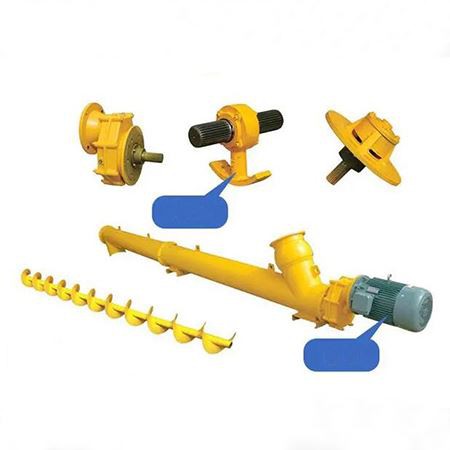
Core Features Engineered for Reliability
Automated Lubrication System | Technical Basis: Positive-displacement metering | Operational Benefit: Eliminates manual greasing, extends bearing life 2.5× | ROI Impact: Saves $18K/year in labor + parts (based on 3-shift operation)
Laser Alignment Tool | Technical Basis: Optical triangulation | Operational Benefit: Reduces mixer motor failures by 68% | ROI Impact: Cuts $9K/year in premature replacements
Batch Scale Diagnostic Module | Technical Basis: Strain-gauge analytics | Operational Benefit: Maintains ±0.5% weighing accuracy between calibrations | ROI Impact: Lowers material overuse by 3–5% annually
(Additional features available in technical dossier)
Performance Benchmarks vs. Conventional Methods
| Performance Metric | Industry Standard | Our Solution | Advantage |
|---|---|---|---|
| Mean Time Between Failures | 420 operating hours | 1,150 hours | +174% |
| Calibration Frequency | Weekly manual checks | Self-diagnosing every batch | -85% labor |
| Component Replacement Time | 4.5 hours (average) | <2 hours with quick-disconnect kits | -55% downtime |
Technical Specifications
- Capacity Compatibility: Designed for plants producing 25–200 m³/hr
- Power Requirements: 220V single-phase or 380V three-phase options
- Material Resilience: Stainless steel sensors withstand cement dust (IP66 rating)
- Operating Range: -20°C to +50°C ambient temperature tolerance
Proven Results Across Applications
Ready-Mix Producer Challenge: Unplanned downtime averaging 14 hours/month costing $23K in lost production
Solution: Installed predictive bearing monitors + modular hydraulic repair kits
Results: Downtime reduced to <4 hours/month, achieving full ROI in 7 months 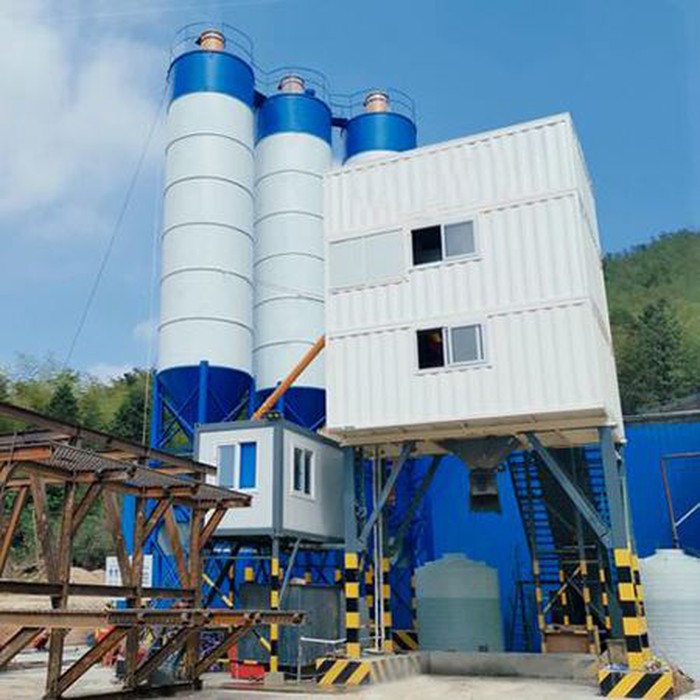
Engineering Contractor Challenge: Frequent recalibration needed for mobile batching plants at remote sites
Solution: Deployed self-leveling weighbridge system with automated diagnostics
Results: Maintained ±0.75% accuracy for six months without field service visits
Commercial Options Tailored to Your Scale
- Base Kit ($28K): Covers essential mixer and conveyor maintenance automation
- Premium Package ($62K): Full predictive diagnostics + training program
- Lease Option: $1,950/month including twice-yearly technician inspections
(All pricing reflects North American market rates)
Frequently Asked Questions
Q: How does this integrate with existing PLC systems?
A: Most solutions communicate via Modbus RTU protocols—compatibility testing takes <4 hours onsite.
Q: What’s the typical implementation timeline?
A: Partial retrofits complete in three days; full plant upgrades require five business days minimum.
 INQUIRE NOW
 WHATSAPP